













The Next Big Sports Owner Might Be a Brand
June 19, 2025
When a brand goes from sponsoring to owning a professional sports team, it changes the game entirely. Take the recent deal by Red Bull to acquire the struggling English rugby club, the New Castle Falcons with the goal of revitalizing the team in their brand’s image. It’s an example of how companies can move far beyond traditional avenues. But what does it really mean for sponsorship, fan/brand engagement, and ROI when brands take the helm?
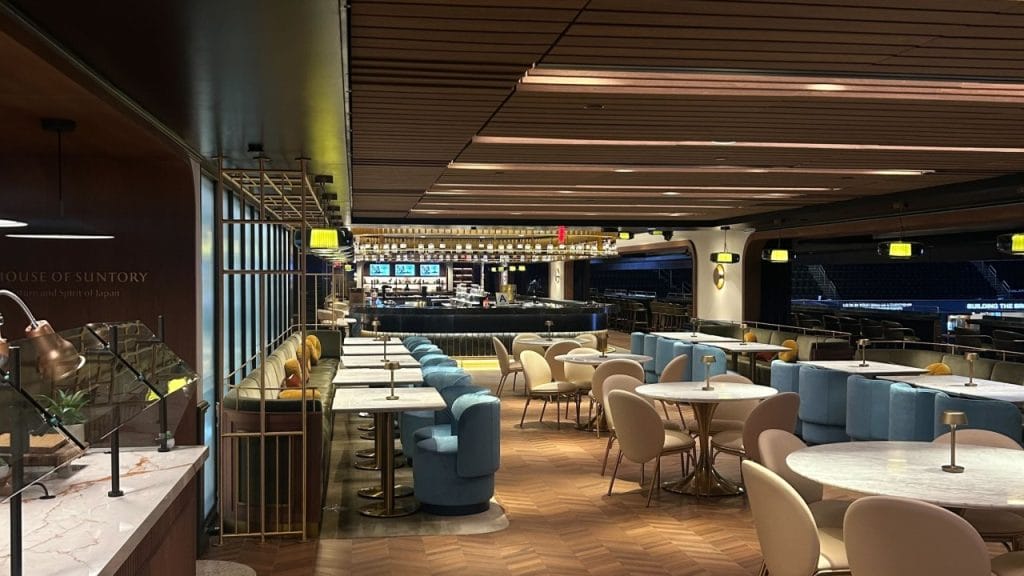
Club/team ownership arms a company with complete control over fan experience. No more negotiating logo placement or ad space, they set the tone, visual identity, and atmosphere of gameday. That means every ticket, hospitality suite, concession stand, and bit of entertainment can be turned into a branded interaction. Additional sponsors can become collaborators, invited to co-create experiences that feel seamless and authentic, thanks to an experienced brand running the show. Think halftime tech showcases, co-branded fan lounges, or sponsored athlete meet‑and‑greets. These elements deepen engagement instead of just placing logos around the stadium.
This could extend well beyond game day as well. Corporate owners could lean on their team to launch digital communities, second-screen apps, loyalty programs, and immersive content tied directly to ticketing for their organization. When a brand owns the fan relationship, it gains access to all the team’s first-party data, with insights into who’s buying, what they like, and how they engage. That fuels smarter ticket pricing, dynamic packages, and promotions designed to boost attendance for the games, and loyalty for the brand’s products.
Brands that own the team can install interactive polls, fantasy competitions, and gamified experiences that keep fans connected on their phones, at the stadium, and long after the final whistle, all while collecting invaluable data. This constant interaction builds loyalty not only to the team, but to the brand that powers it. Loyal fans spend more on tickets, merch, and concessions, while fans loyal to a brand identify more readily with other products and services it offers. It’s a true two birds, one stone situation.
This goes hand-in-hand with data and measurement, key to proving sponsorship ROI in today’s marketing world. Nowadays, brands demand more than awareness, they want measurable impact. With owned teams, every scan, click, purchase, or interaction can be tracked back to the brand. Sponsorship metrics can evolve from basic impressions to engagement, content shares, conversions, and beyond. That’s a major upgrade from static logo visibility: it’s measurable, dynamic, and actionable.
The ticketing implications are equally interesting. As team owners, brands can introduce tiered packages, bundling game access with unique experiences like access to other brand events, pre-game tailgate lounges, merchandise packs, or more. Dynamic pricing can reward superfans or brand loyalists while filling inventory during the less exciting matches. With rich fan data, brands can tailor offerings to an individual customer’s likes, boosting lifetime value and spreading ROI across ticket sales, hospitality, and brand loyalty channels.
What’s next for brands considering this leap? Start thinking like a team owner. Ask: How could owning a team, not just sponsoring one, amplify our brand story? Could we build unique hospitality around our values? Could data from ticketing and attendance inform wider customer insights? Could our brand become part of fans’ lives and not just be something they buy?
Owning a professional team gives brands an unmatched platform to deliver immersive experiences, deepen loyalty through intelligent ticketing, and generate measurable ROI for both their brand and the sports property. Sponsorship becomes ownership, fans become customers, and the stadium transforms into a canvas for storytelling and engagement. In an environment where attention is the heartbeat of marketing, controlling the platform means controlling the narrative and the return.
The Red Bull story will be a great litmus test for how brand-owned teams can perform. As more brands explore team ownership, sponsorship could shift from purchasing exposure to freely curating experiences where the line between brand and sport is almost entirely blurred. And in that shift lies a new frontier where ROI isn’t just calculated in impressions, but in loyalty, revenue, and enduring brand value.