














What Happy Gilmore 2 Teaches Hospitality Leaders About Relevance, Experience, and ROI
July 29, 2025
Why a Sports Comedy Sequel Matters
When Happy Gilmore 2 premiered on Netflix on July 25, 2025, it delivered everything fans expected: chaotic comedy, golf gags, and cameos from Travis Kelce, Bad Bunny, Rory McIlroy, Post Malone, and Guy Fieri. But beneath the noise was a strategic blueprint for legacy reinvention. The film is about more than golf. It’s about staying relevant, creating emotional engagement, and executing with purpose.
For hospitality leaders, the message is clear. What worked before won’t work now unless it evolves. Success today requires personalization, adaptability, and platforms that scale intelligently.
Make Relevance the Starting Point
The film updates its tone, pacing, and characters without losing what made the original beloved. Hospitality programs must do the same. Returning guests don’t want the same suite and the same dinner. They want new context, cultural relevance, and personalized attention.
Modern audiences expect experiences that:
- Reflect who they are and what they value
- Offer curated access or exclusivity
- Feel like they were designed for them, not everyone
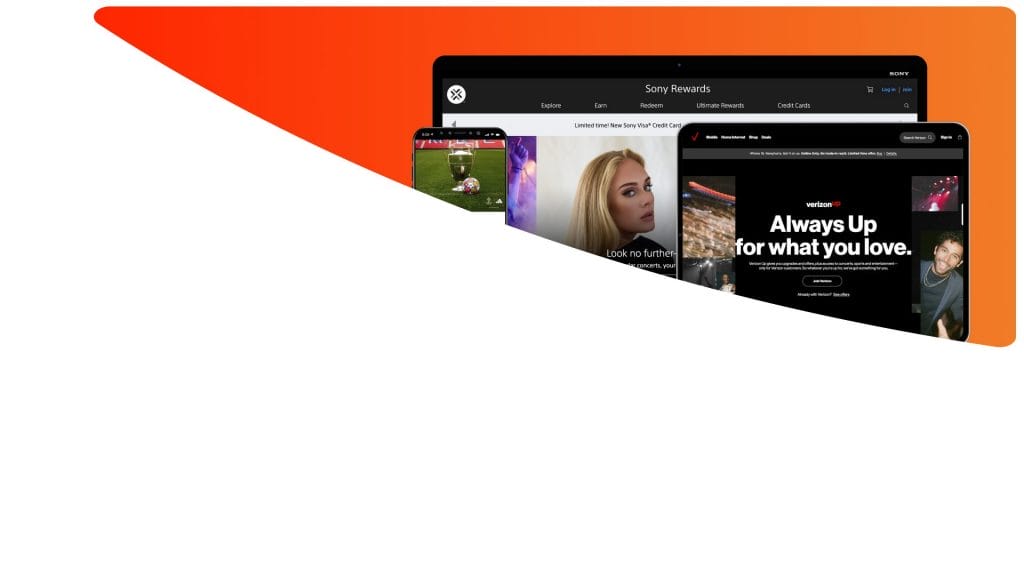
Brands like Verizon understand this. Through its VerizonUp loyalty program & Verizon FanFest, Verizon creates hyper-local, influencer-driven moments for customers. These activations are complex behind the scenes, which is why Verizon uses TicketManager’s API infrastructure to deliver and track those experiences seamlessly across markets.
Execution Makes or Breaks the Experience
In the film, U.S. Bank and Subway didn’t just appear in product placements. They were meaningfully integrated into the storyline. Hospitality should follow the same model. It’s not just about being present. It’s about showing up in a way that enhances the experience.
Great programs depend on:
- Real-time coordination across departments
- Seamless guest check-in and credentialing
- Automated approvals and upgrade flexibility
- Full audit trails and compliance for corporate transparency
Organizations turn to TicketManager because it replaces disconnected systems with one platform that handles nominations, approvals, tracking, and analytics with consistency and speed.
Volume Demands Consistency
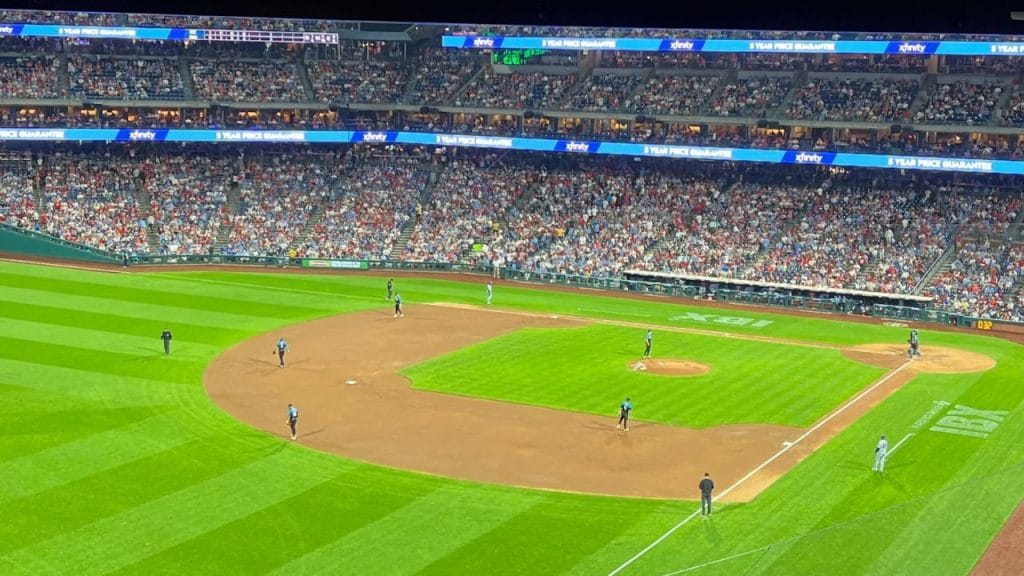
And when the volume increases, like with MLB hospitality across an 81-game season, that precision becomes critical. The Philadelphia Phillies partnered with TicketManager to streamline the way corporate partners track usage, transfer seats, and prove ROI. That’s how you keep game 37 from feeling like game 3. It’s how you stay sharp when the calendar gets crowded.
ROI Is the New Requirement
Executives expect more than smiles and anecdotes. They want proof that their hospitality spend moved relationships forward and influenced revenue.
Anheuser-Busch used TicketManager to overhaul its ticket program, increasing usage from 57 percent to 97 percent while unlocking a 13x return on unused inventory through resale automation.
| Metric | Before | After |
|---|---|---|
| Ticket Utilization | 57% | 97% |
| ROI on Inventory | — | 13x |
| Guest Tracking | Limited | Full lifecycle reporting |
That’s not just a logistics win. It’s your business case.
Growth Comes With Expectations
The corporate hospitality industry is valued at $14 billion in 2025 and expected to grow quickly. With that growth comes pressure to do more than entertain. Teams are being asked to:
- Tie every event to pipeline movement
- Show performance across guest tiers
- Justify budgets with data and follow-up metrics
This is why leading brands rely on TicketManager to manage everything from the first invite to the final report.
Final Takeaway
Happy Gilmore 2 might look chaotic on the surface, but every moment is calculated to land with precision. That’s how hospitality should feel too. Not just entertaining, but relevant, measurable, and designed to drive outcomes.
Because in golf and in business, it’s not just how far you drive. It’s who you bring with you.