










Green Jackets & Global Marketing: A Masters Week Conversation
April 8, 2025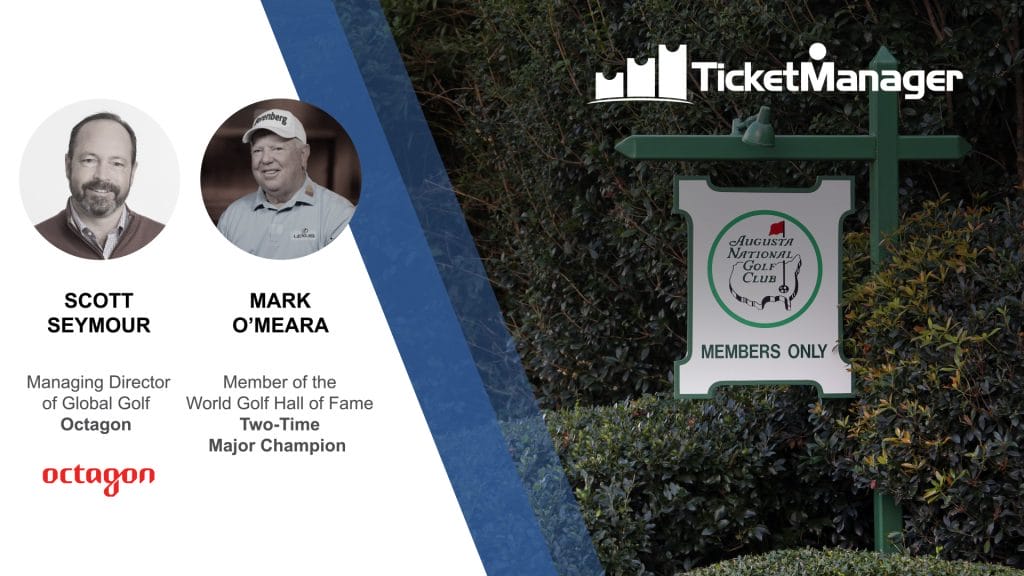
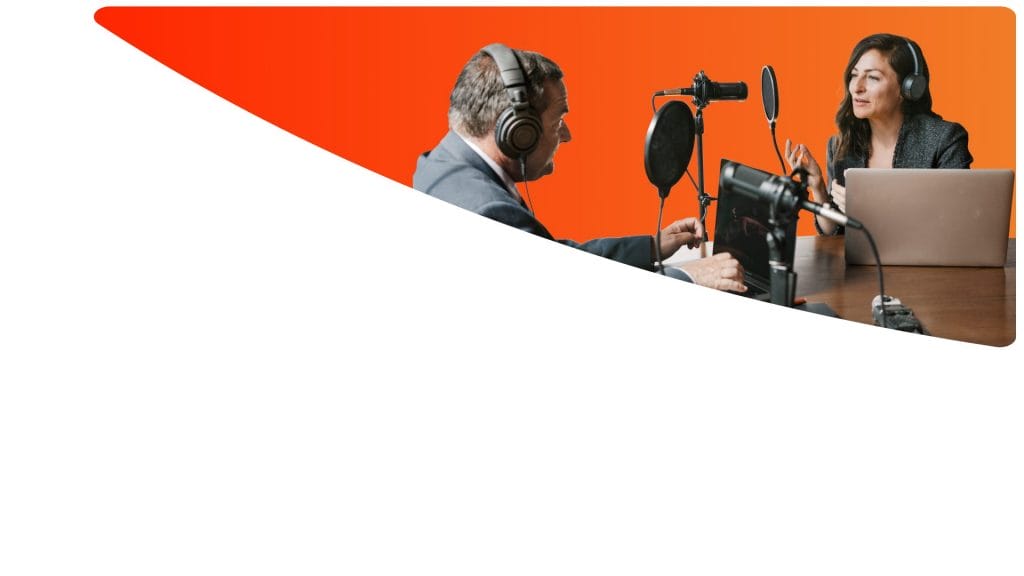
In a conversation with host Michael Goldstein, World Golf Hall of Fame member and 1998 Masters champion Mark O’Meara, joins Octagon’s Managing Director of Global Golf, Scott Seymour to explore the growth of golf, how leading brands are activating in the sport, and offer an insider’s perspective on The Masters from a champion’s point of view. Below are edited highlights of the conversation.
Michael: It’s fair to say a lot has been going on in the world of golf over the past few years. What’s your take on the state of golf?
Scott: Innovation and technology have changed the game. Top Golf has come on. Screen golf is played all around the world. Countries like Korea are producing great players that have never been on a golf course.
We’re definitely in a pivotal time. The majors have never been stronger. You have great brands activating around the majors. Ratings for those events have been fantastic. Pebble Beach did very well with Rory winning there and the Players Championship was really strong.
TGL is really cool and different, with the conversion of innovation and technology. They have a great media partner in ESPN and have seen great engagement. They’ve found a way to pull out the personalities of the players in their $100 million dollar studio they’ve built. They’ve also found a strong area on Monday and Tuesday nights where they can play and really engage the golf audience that hadn’t been there.
LIV’s new CEO, Scott O’Neal, has tried to do things differently, shorten their schedule, playing 14 events on a global scale. The challenge that they’ve had is that they haven’t had a strong media partner and they haven’t delivered any kind of ratings. Media drives this sport and funds what’s going on. LIV’s new deal with Fox is going to be interesting, with the tour playing in the U.S. now. We’ll see if they get any real traction.
But the fans want to see the best players in the game play and play against together. A fractured golf landscape isn’t good for anybody. The tours will figure out some way for these players to play more often because the fans demand it.
Michael: Mark, what is your take on this as a former player and someone who has literally been there?
Mark: I was blessed to play the PGA tour for 27 years. But I’m not just a professional golfer, I’m a fan of the game. I like to see the best players play against each other. I think in the long term, things have a way of working out. Whenever there’s a negative issue, the positive will shine through somewhere down the line.
I went to a LIV event in Vegas last year just to see it and to meet Yasir (Al-Rumayyan). After the event, I went back to my home course, and I looked over and saw Yasir hitting balls on the range. I went over and introduced myself and one of the first things I said was, “thanks for investing in golf.” That’s the take I would put on this.
I understand that the PGA tour has always been the best tour, the light of professional golf. But we’ve always had multiple tours. Sometimes, in the long run, I hope and pray that this will work out. I see the light at the end of the tunnel, but we just haven’t gotten there yet.
Michael: When you think of the global growth of golf, what’s your perspective on that relative to when you started on the PGA Tour?
Mark: It’s been great for the game. When I joined the tour in ’81, there weren’t many international players playing the PGA tour full time.
It’s been good to see the global game start to come together. Hopefully Yasir and Jay Monahan (PGA Tour Commissioner) can sit down with calmer heads and talk. Hopefully that will yield a positive result.
Michael: When you think about technology and changing fan expectation, how does that impact brand partnerships in the golf space? How can partners stay ahead of the curve?
Scott: We’re going to see a revolution over the next two years with regards to marketing. Not only in sports and entertainment, but across the board. A.I. is going to change the way things work. You look at augmented reality, behind the scenes storytelling, hyper personalized experiences, it’s here to stay and will be the expectation of the fan going forward, and A.I. Is going to help us get there.
Michael: Let’s delve into 1998, the year Mark won The Masters. When you think back about wining it, what memories come to mind?
Mark: I remember my first time playing The Masters, peering down on the champions locker room. I think I shot 80 or 81, nothing like the young players of today. It was an eye opening, jaw dropping experience.
Finally, coming there in ’98, on nobody’s radar, I hadn’t been playing that well. I was just hoping to make the putt. I shot a 74 on the first day, not playing too well. Then, it was just trying to make the cut.
The next day, I shot 70 and made the cut at even par. The next goal was to try and play well enough to make the top 24 and get invited back in ’99.
Then I went out on Saturday, a tough condition day, and shot 68 and next thing you know I’m in the last group on Sunday with Fred Couples, a past Masters winner in ’92.
I got out there on Sunday and was nervous, as anyone would be. Things kind of fell in line and with three holes to go, I had a chance. I birdied 15, made a good birdie on 17, and there I was on that 18th green in the final group.
I remember so many times watching The Masters wondering, “how the hell does someone make a putt on the 18th green to win The Masters?” and there I was. Somehow, someway, that putt went in and when my arms went up, so did my putter. If you look at my face, I was more in shock and disbelief as to what just happened here? Then, I realized I had won The Masters.
Michael: Mark, you are obviously intimately familiar with Augusta and The Masters in a way that most people aren’t. What is something unique about the tournament that a lot of fans don’t know?
Mark: The first thing that comes to mind from being at Augusta, on property, is the elevation change and the beauty that Trent Jones and Clifford Roberts saw when they bought the property.
The club has really embraced the honor that they must continually upgrade the experience in every way possible. They treat the patrons so well. It’s mind boggling. A fan who wants a snack, an egg salad sandwich and a diet coke, can walk out with that for $5. That doesn’t happen in sports anywhere else. Every year, I come back and see these mind-boggling improvements.
Michael: Scott, as you think about golf activation and things you’re doing at Octagon for your clients, what are some of the more recent ones that stand out to you?
Scott: We did something really cool at the Arnold Palmer Championship called, “Beyond the Ropes.” We dedicated the commercial time back to the broadcast and included an experiential aspect called Caddy Conversations where the caddies shared what the player was thinking.
Delta is doing something really cool at the Augusta Airport where they’ve turned the jetways into essentially walking the grounds on Augusta. They pipe in music and really make you feel the excitement and anticipation.
Michael: Lets finish up with some quick hitters. What’s your favorite golf course?
Scott: I have 20 In my top 5, you can’t just pick one. Golf is about who you’re playing with, not only where you’re playing. Anytime I play with Mark, I have the best times in the world.
Mark: Look, it’s very simple for me. Pebble Beach, without question, is my favorite course in the world.
Michael: Favorite current player to watch?
Scott: Rory (Mcllroy) is an amazing player to watch. His dedication to the game, he wears his heart on his sleeve, everybody can root for Rory.
Mark: It’s kind of hard to pick one. Whether it’s Rory, Scottie Scheffler, some of those top players, but Colin Morikawa comes to mind. I love Colin. We’re friends and I’ve kind of semi mentored him a little bit.
If I was going to pick one guy to win The Masters, a grand slam for Rory would be unbelievable. There’s a lot of pressure for him to do it, especially after winning at Pebble this year and winning the Players. But I would love to see Morikawa win.